Landscape design and construction in the City of Melton
Updated November 2026
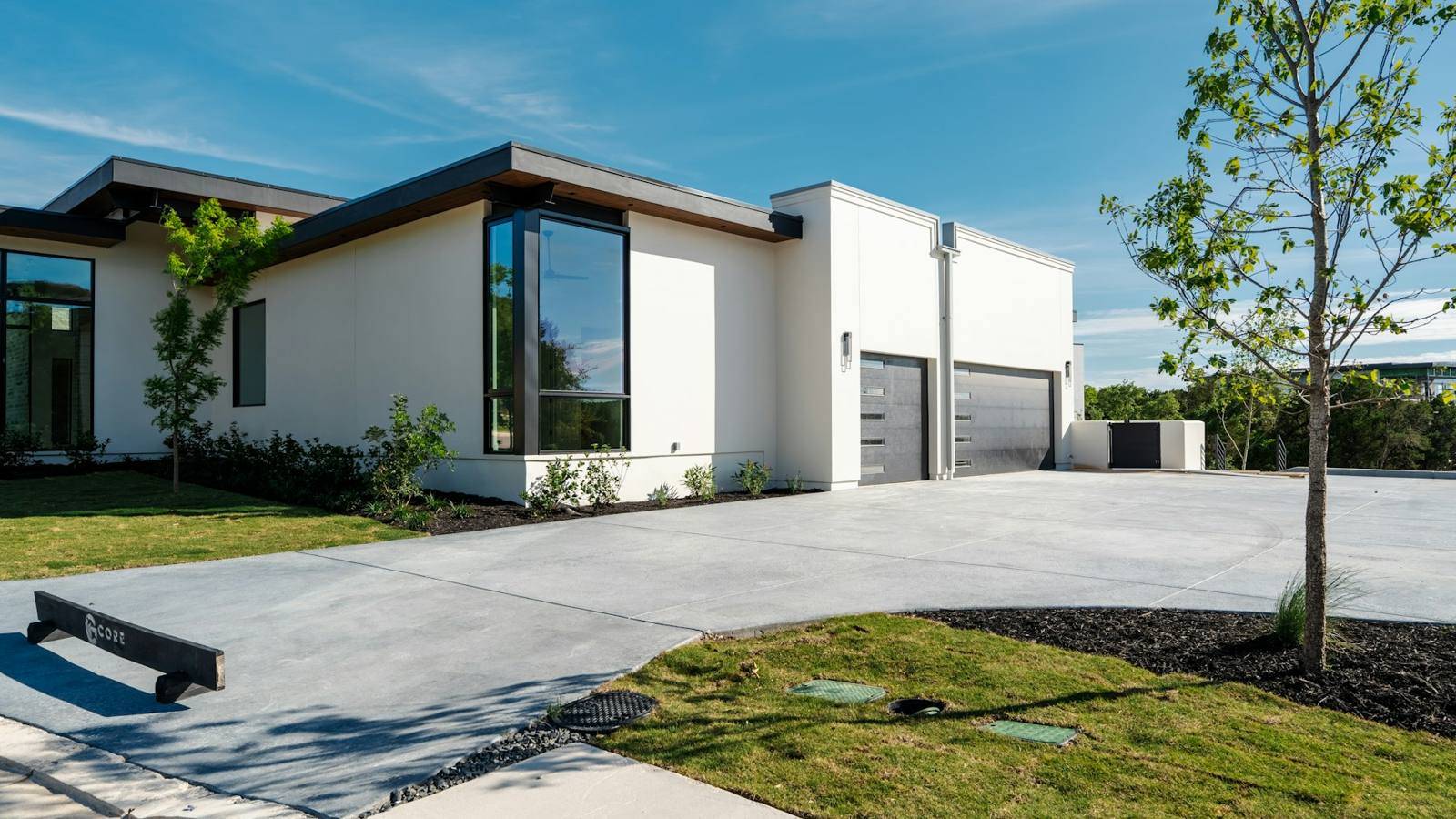
A whole-yard job is a set of smaller jobs in the right order: the plan, the earthworks and drainage, the structures, then the soil, plants, turf and irrigation. Getting the order right is most of the value of doing it as one project. We pass your request to a local landscaper who works your suburb. We are a referral service, not a landscaping business.
Who is planning a whole yard in the City of Melton
- New lots on the western growth front. Cobblebank, Strathtulloh, Weir Views, Thornhill Park, Aintree, Fraser Rise and Rockbank. The house is handed over and the yard is bare.
- Late 1990s to 2010s homes in the east. Caroline Springs, Taylors Hill, Hillside, Burnside and Burnside Heights, where the first garden has had twenty-odd years and is ready to be redone.
- Township streets. Melton, Melton West, Melton South and Kurunjang, with established yards and old paving.
- Acreage. Toolern Vale, Diggers Rest and Eynesbury, where the house garden is only part of the block.
The plan first
A garden design or plan typically costs about $725 to $4,550 ex GST on 2026 national guides, depending on whether it is a sketch or a full set of construction drawings. A plan lets several landscapers quote the same job, which makes the quotes comparable. On a new estate, check whether your development has a Housing Design Guideline endorsed under the planning scheme, and whether it says anything about front gardens, fences or driveways.
Structural and soft: two kinds of work in one job
Victoria has no landscaping licence. What matters is which parts of your job are building work.
- Soft landscaping: planting, turf, garden beds, mulch and maintenance. Not registered work.
- Structural landscaping: retaining walls, paving, decks and pergolas, steps, fences and outdoor structures. This is building work. Under a domestic building contract worth more than $10,000 it must be carried out by a practitioner registered with the Building and Plumbing Commission.
A whole-yard contract can easily pass $10,000, so ask who on the job is registered and how the contract is structured. For contracts from 1 July 2026, Victoria's home warranty insurance generally applies to eligible domestic building work valued at more than $20,000, so ask whether your job attracts it.
The order of work
1. Plan, measure and set levels
2. A free Before You Dig Australia (BYDA) enquiry, then excavation and spoil removal
3. Drainage, walls, paving bases and footings
4. Decks, pergolas and other structures
5. Irrigation lines and soil preparation
6. Planting, turf and mulch
Building on basalt clay
The basalt clays of Melbourne's west shrink and swell as they dry and wet, and engineers have documented that movement damaging light structures and buried services. In a yard, that means walls need drainage behind them, paving needs a proper base and falls, and water from roofs and hard surfaces has to go somewhere legal, not into the clay beside the house.
Permits
Building permit requirements in Victoria come from the Building Regulations 2018 and are applied by councils and registered building surveyors. Some structures need a permit and some are exempt. Ask the landscaper to say in writing which parts of your job need one. Check with your council before removing or heavily pruning a tree.
Ready for a price? Get a fast quote.
Frequently asked questions
Do I need a landscape designer?
Not always. A small yard can be planned on site by the landscaper. For a large or sloping block, or a whole new-home yard, a plan makes quotes comparable and avoids redoing work.
Does a landscaper need a licence in Victoria?
There is no landscaping licence. Planting and turf are not registered work. Structural work such as walls, paving and decks under a domestic building contract worth more than $10,000 must be done by a practitioner registered with the Building and Plumbing Commission.
What does a full new-home yard cost?
National 2026 guides put it at about $13,650 to $54,550 ex GST, a range so wide that only an itemised quote for your block is useful. See the cost guide.
Can I stage the work?
Yes. Doing the earthworks, drainage and structures first, then planting later, is common. Ask the landscaper to plan irrigation lines and levels before the paving goes down.